
🛠️
What is a UGC Engineer?
If you've been paying attention to how the fastest-growing consumer apps are acquiring users in 2025, you've probably noticed a pattern: the winners aren't running massive ad budgets. They're running massive creator operations.
Behind those operations is an emerging role that didn't exist two years ago: the UGC Engineer.
What Is a UGC Engineer? The New Role Powering Consumer App Growth
A UGC Engineer is a marketing and operations hybrid who builds and manages large-scale user-generated content programs for consumer tech companies. They sit at the intersection of content strategy, creator management, and data analysis, turning organic social into a systematic, repeatable growth channel.
Think of it this way: if UGC is the engine, the UGC Engineer is the person who designs, builds, and tunes it.
Why This Role Exists Now
The consumer marketing landscape shifted dramatically over the past year. Paid acquisition costs have skyrocketed. According to Bïrch, which tracks Facebook ad costs across hundreds of millions in monthly spend, the average CPM sits at $13.53 as of February 2026, and it's been climbing steadily. On the influencer side, pricing is just as steep. Aspire reports common influencer CPMs of $15 on TikTok, $15 on Instagram Reels, and $20 on YouTube, and that's before factoring in exclusivity fees, content usage rights, and production costs. Meanwhile, consumers have developed an instinct to skip anything that looks like an ad.
At the same time, social platforms like TikTok shifted to algorithm-driven content discovery. Follower counts matter less than ever. What matters is whether your content feels organic, authentic, and genuinely engaging.
This created a massive opening for a new approach: tech UGC. Instead of paying influencers with big followings to promote products, companies hire teams of creators to build brand-new accounts and produce content that looks and feels like it's coming from a real user of the product. No follower count needed. No "ad" label. Just authentic-feeling content that algorithms love to distribute.
The problem? Running a tech UGC program at scale is operationally complex. You're managing 5 to 20 creators, producing 300 to 1,800 videos per month, analyzing performance across thousands of data points, and iterating on strategy weekly. That's not a side project for your social media manager. That's a dedicated role.
That's where the UGC Engineer comes in.
What Does a UGC Engineer Actually Do?
The role breaks down into two core functions: content strategy and creator management.
Content Strategy
When a new UGC program launches, the UGC Engineer builds the initial playbook. This means doing competitor research, identifying trends on the platform, writing hooks, and studying what formats are performing in the brand's niche. They turn all of that research into a structured playbook with exact video formats, hooks, specific product demos, and talking points that creators can execute against.
But the playbook isn't static. A UGC Engineer's most important strategic function is iteration. They're constantly reviewing performance data across hundreds of videos, identifying what's working, what's not, and why. They create structure around testing, rotating hooks, formats, and messaging systematically rather than guessing, and adjust the playbook weekly to push campaigns toward more views, stronger engagement, and ultimately more conversions.
Creator Management
On the operations side, UGC Engineers source and onboard new creators, coach them on the brand's strategy and voice, review every video before it goes live, and provide detailed feedback to help creators improve over time. They also manage comment seeding, which is a critical but often overlooked tactic where creators engage in the comment sections of videos that are gaining traction, guiding conversations toward the product through authentic questions and social proof. Part of this is making sure creators are replying to comments correctly and staying on brand.
It's a role that requires someone to be simultaneously strategic and hands-on, comfortable with both big-picture campaign direction and the day-to-day grind of managing a team of creators.
The UGC Engineer Tech Stack
UGC Engineers rely on a few key tools to manage programs at scale:
UGC Trackr (ugctrackr.com) is the central platform for creator management, video review, engagement analytics, and creator payouts. When you're overseeing thousands of videos across dozens of creators, you need a single system of record, and that's what UGC Trackr provides.
Beyond that, UGC Engineers typically use a project management tool like Notion for building and distributing content briefs, and Slack for real-time communication with their creator teams.
What Skills Make a Great UGC Engineer?
This isn't your typical marketing hire. The best UGC Engineers share a few key traits:
Chronically online. They live on TikTok, Instagram Reels, and YouTube Shorts. They can spot a trending format before it peaks and translate that into actionable content strategy for a brand. This isn't something you can teach in a training program. It's a sensibility that comes from being deeply embedded in the platforms.
Analytically minded. A good UGC Engineer doesn't just watch videos and say "that one felt good." They go through performance data across hundreds of videos and identify patterns. They can build structured testing frameworks, rotating hooks, formats, and CTAs, and make data-driven decisions about where to take the campaign next. They're comfortable presenting those findings to founders and stakeholders with clarity.
Strong communicators and organizers. Managing a team of 5 to 20 creators means giving clear briefs, timely feedback, and keeping dozens of moving pieces on track. UGC Engineers who lack organizational discipline will drown in the volume. The best ones build systems that make the chaos manageable.
Where Do UGC Engineers Work?
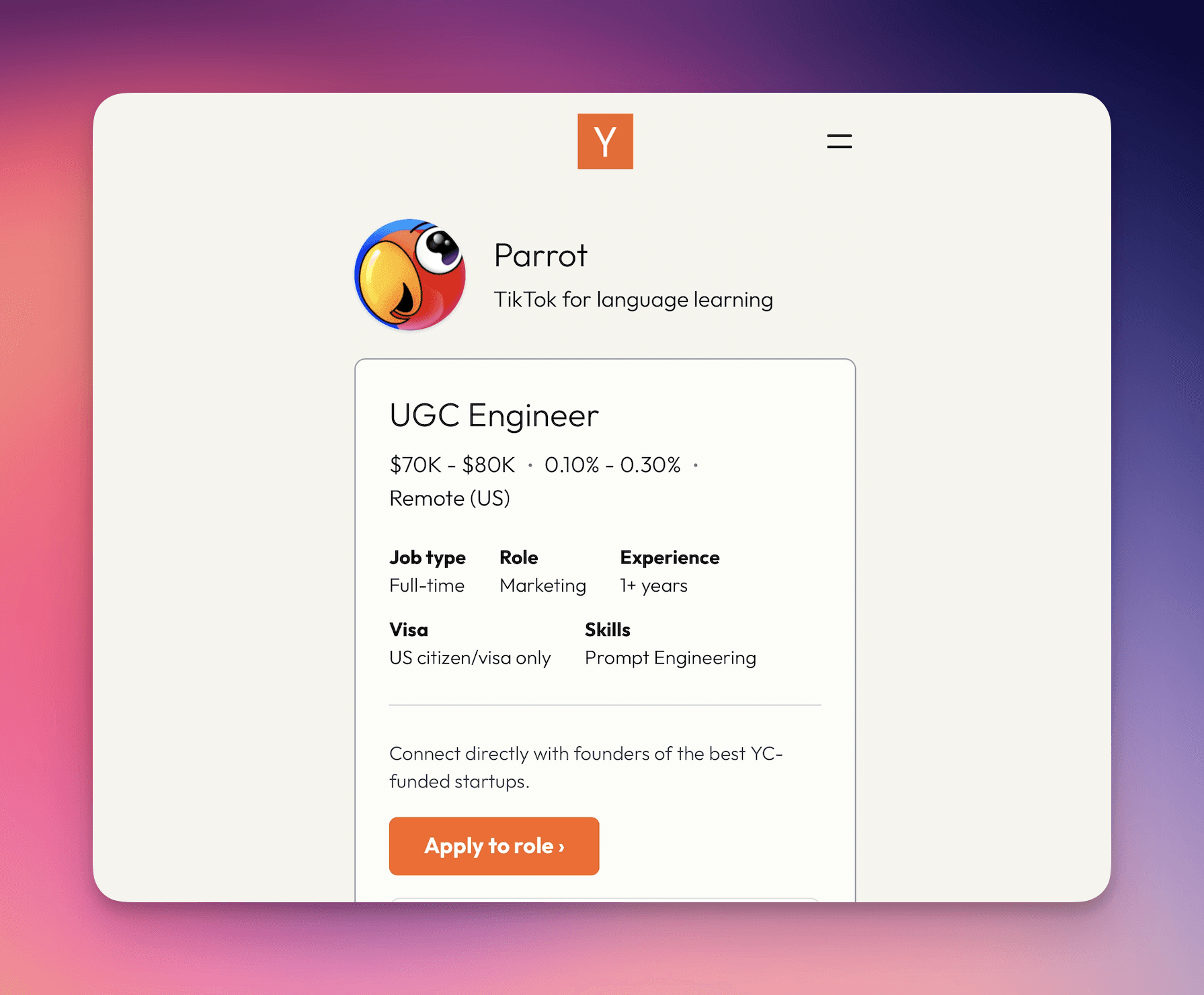
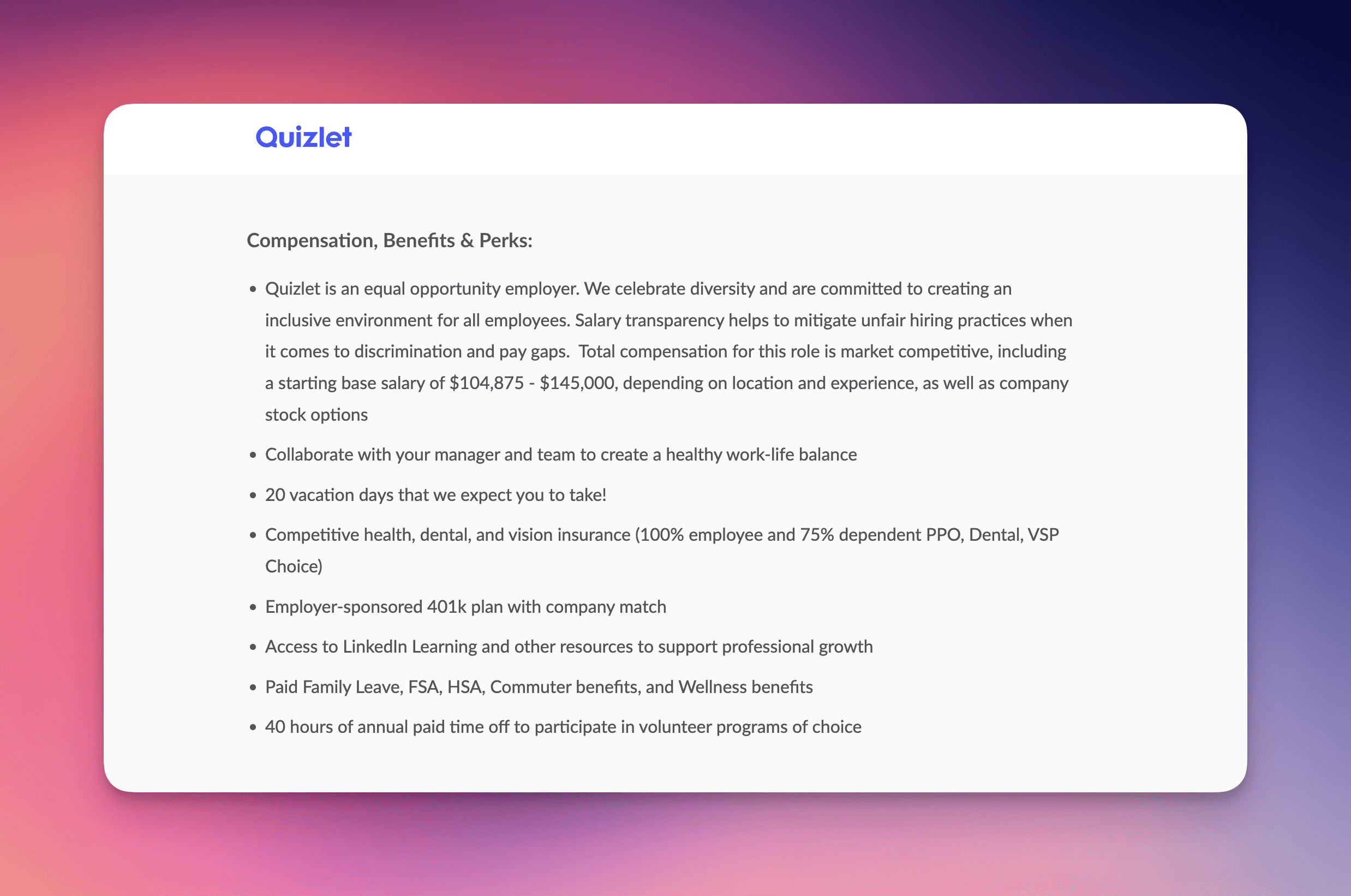
The role exists both in-house at brands and on the agency side. At Playkit, we recently hired three UGC Engineers to manage our growing campaign volume, and we've also helped companies like Parrot and Quizlet hire UGC Engineers to bring their programs in-house.
The trend we're seeing is that companies often start by working with an agency like Playkit to find content-market fit. They figure out what messaging, formats, and creator profiles work for their brand. Once they've proven that UGC is a viable growth channel and are ready to scale, they hire a UGC Engineer to run the program internally. This creates a seamless transition from agency-assisted to in-house operations.
What Does a UGC Engineer Earn?
Given the hybrid nature of the role (part strategist, part ops manager, part data analyst), UGC Engineers typically command salaries in the $70,000 to $100,000 range. As the role matures and companies increasingly recognize UGC as a primary growth channel rather than an experiment, expect that range to climb.
Why This Role Is Only Getting Bigger
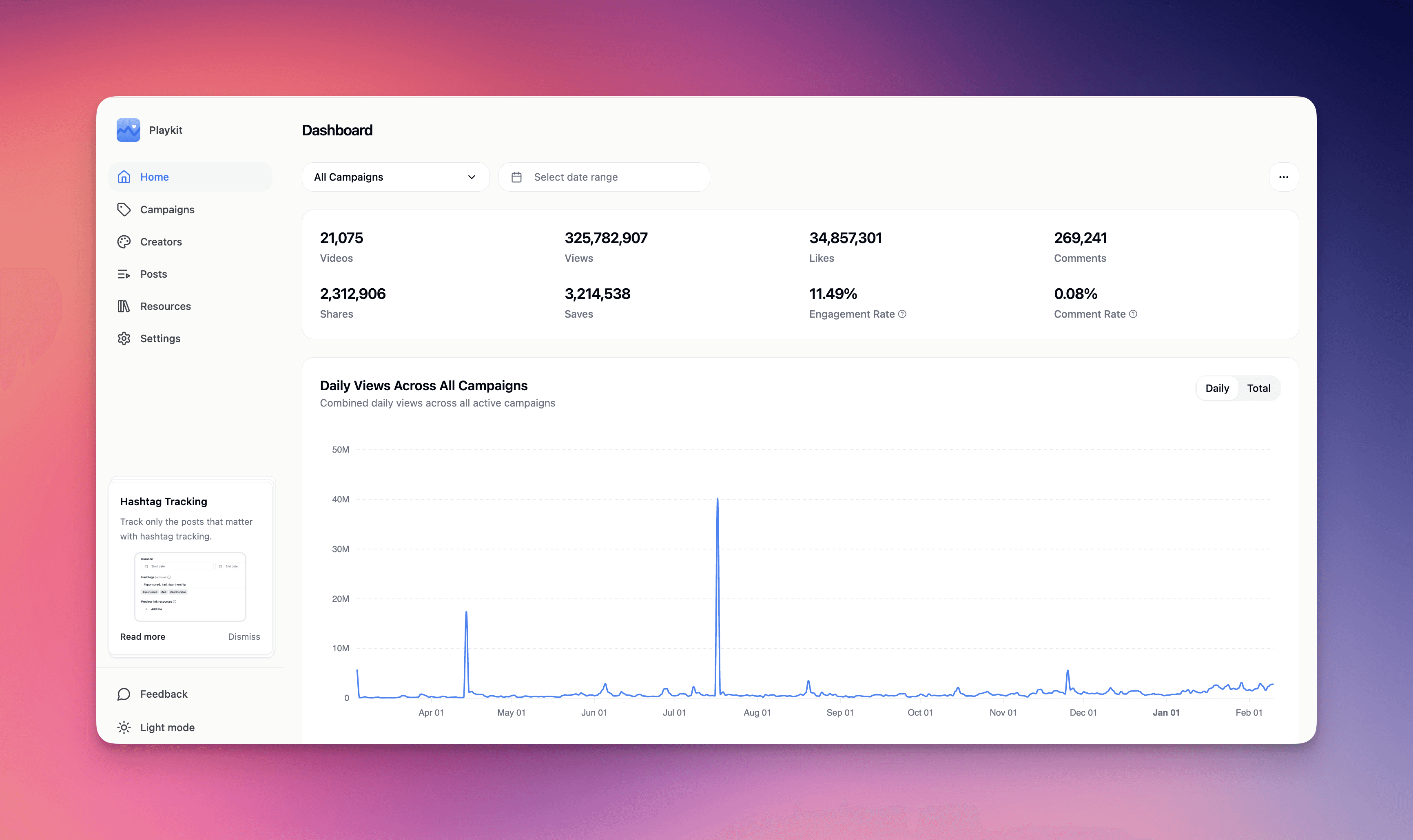
Here's the data that makes this clear: at Playkit, we've posted over 69,000 videos and driven 755M+ views across 50+ campaigns. Our viral videos (500K+ views) accounted for over half of total views while making up just 0.3% of total videos posted.
The takeaway? UGC is a volume game. You need infrastructure, systems, and someone who knows how to run the operation. You can't "just post some videos and see what happens." The brands winning with UGC in 2026 will be the ones that treat it like a proper growth channel with a dedicated operator behind it.
That operator is the UGC Engineer.
Want to Become a UGC Engineer?
Playkit is launching the first-ever UGC Engineer training program, built on the exact operational playbook we use to run large-scale UGC campaigns. You'll learn how to build creator pipelines, implement the tech stack, and turn UGC into a predictable growth channel.
Join the UGC Engineer waitlist →